Slate isn’t just for old cottages anymore. It’s increasingly used in modern interiors, from minimalist kitchens to open-plan living spaces. With its natural texture, subtle tones and hardwearing surface, slate offers a quiet contrast to smoother materials like concrete, wood or glass.
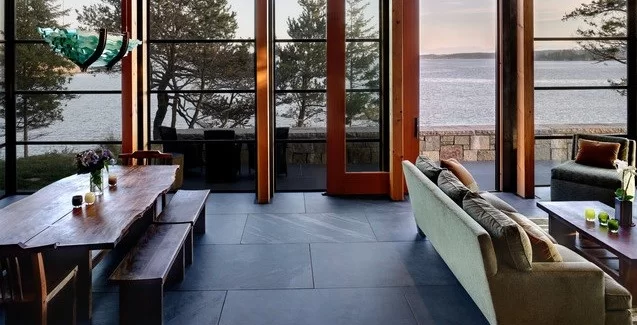
UK Slate offers interior slate tiles in a variety of finishes, from natural to brushed and refined, allowing you to tailor the look of your project. Different origins also provide distinct aesthetics. Cumbrian slate’s green-grey shades suit calming spaces, Welsh slate’s deep tones create bold statements, Spanish slate has a smoother finish which works well in contemporary kitchens, and Brazilian slate’s earthy hues add warmth to feature walls.
Open-plan layouts require strong visual anchors, and slate does this effortlessly. Large format Welsh or Spanish slate floor tiles can unify kitchen, dining and lounge areas, creating a seamless flow while adding a grounding effect.
Choosing a brushed finish adds a softer feel underfoot, and radiates heat well, it pairs naturally with underfloor heating systems, offering comfort without compromising design.
Slate is naturally rich in earthy hues, with shades ranging from deep grey and blue to rustic browns and soft greens. Here’s how to style slate to suit a modern aesthetic:
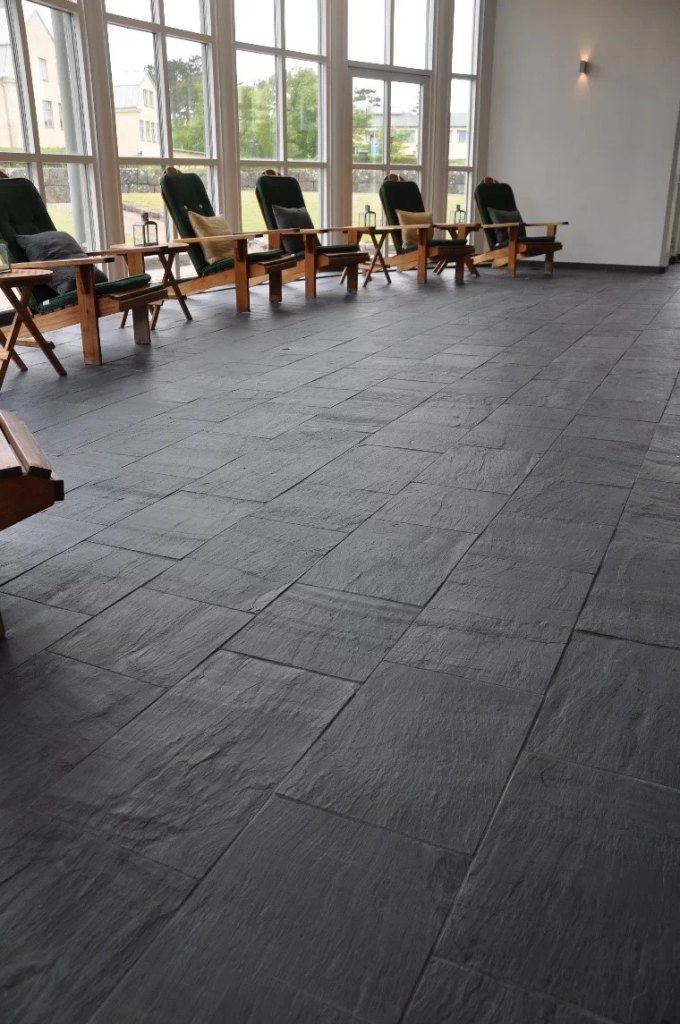
Slate is incredibly durable; however, proper maintenance can help it maintain its beauty for years to come. Here’s how to look after your interior slate surfaces:
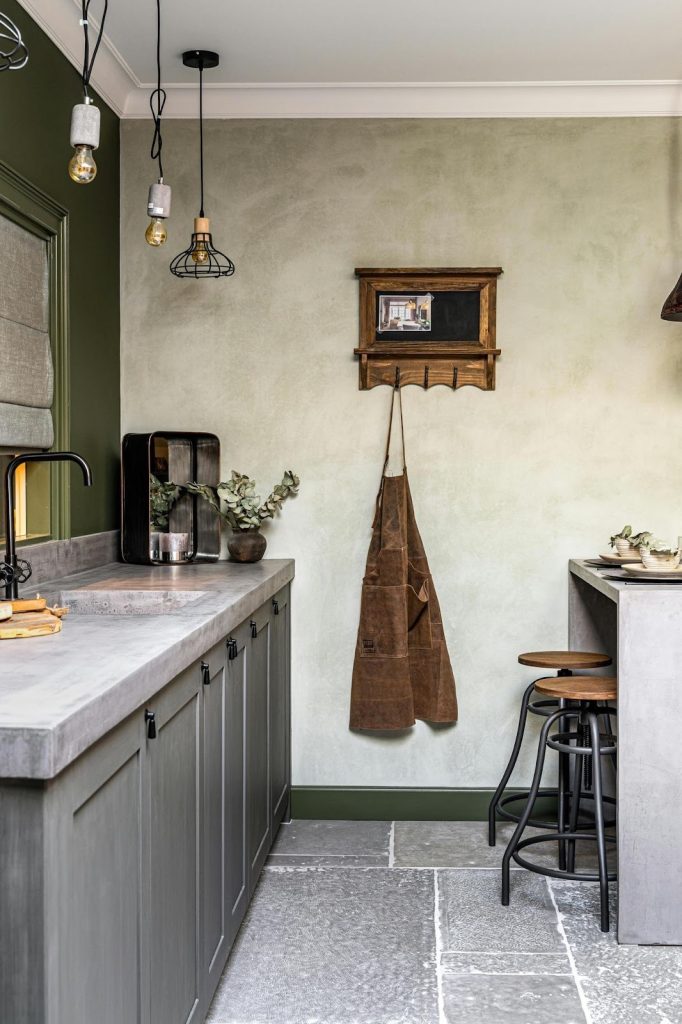
At UK Slate, our team can help you choose the right type and finish for your space, whether you’re planning a full renovation or looking to revamp a single room. Browse our full range of interior slate tiles online or contact us for expert advice.
When it comes to choosing the right natural slate for your roof or cladding, Spanish and Welsh slate are two of the most trusted and widely used options in the UK. Each brings its strengths, and understanding the differences can help you choose the best fit for your project, whether you’re re-roofing a period property or designing a new-build home.
We are one of a very few registered stockists of Welsh Slate in the UK, which means we can offer excellent availability and competitive pricing. We import, ourselves, a wide range of slates from Spain and as you will read some of these are particularly good alternatives to Welsh. All this gives us a great range of options to suit your particular needs. As a further consideration you may also like to look at our Brazilian Ravendale for your project. Different to Spanish and Welsh but excellent quality and giving further value for money.
Both Spanish and Welsh slate are known for their longevity, but Welsh slate has a reputation as one of the most durable roofing materials available.
Welsh slate can last over 100 years due to its extremely low water absorption, which helps prevent frost damage and reduces the need for maintenance. If you’re looking for long-term restorations or buildings designed to last generations this is the slate for you.
Spanish slate on the other hand typically lasts between 75 and 100 years. It’s a dependable choice that still outperforms most artificial roofing materials, this is suitable for most domestic and commercial projects.
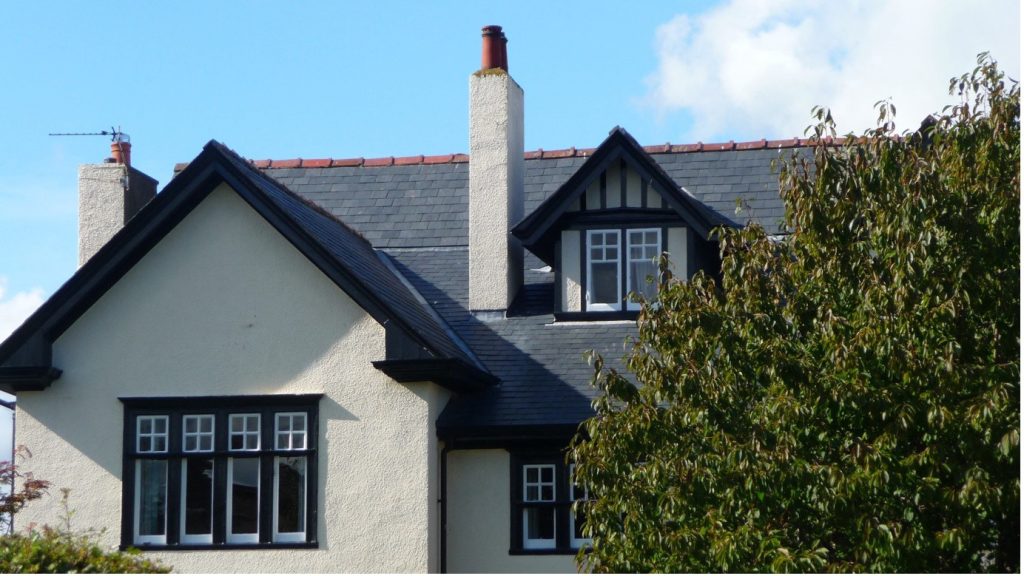
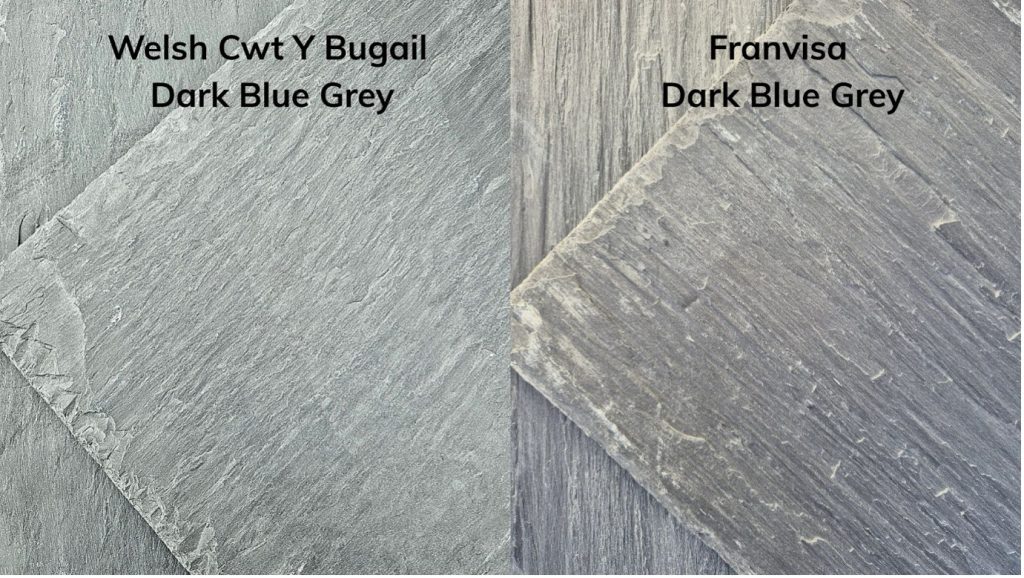
Welsh slate offers natural variation with tones like heather blue, purple, and rich dark grey that shift slightly with light and weather, adding texture and depth. For traditional or historic properties, Welsh slate remains unmatched in character and authenticity.
Our Spanish range provides a more affordable alternative to Welsh Slate, and still gives very good quality and performance. Kentdale Blue Grey (mid-blue-grey, matte finish) and Samaca Q33 (darker grey-to-black, fine grain) are both officially approved for use in Snowdonia National Park and certified A1, T1, S1.
We’ve also introduced Franvisa slate, which closely mirrors the look of traditional Welsh slate, though not yet formally approved.
Both options are sustainable, utilising natural materials with a long lifespan and minimal manufacturing impact. Sourcing and transportations are important factors to consider. If reducing the environmental impact of your build is a key priority, locally sourced Welsh slate may be the greener choice. However, Spanish slate is still a responsible and sustainable material.
If your budget is tight, Spanish slate gives you the look and performance of natural slate without the higher price tag, ideal for large developments or homeowners looking to balance performance with budget.
However, if you’re looking for something more distinctive and long-lasting, Welsh slate is a premium product. Its cost reflects its heritage, durability and sourcing. It's often used for prestige projects or working with listed buildings.
Both types of slate have strong benefits, your choice will depend on the specific needs of your project. Here is a quick comparison table:
| Feature | Spanish Slate | Welsh Slate |
| Durability | Lasts 75-100 years | Often exceeds 100 years |
| Appearance | Consistent and dark | Unique, natural colour variations |
| Sustainability | Imported but still eco-friendly | Locally sourced |
| Cost | More affordable | Premium price |
| Heritage Use | Suits modern applications | Typically required for listed buildings |
If you’re looking for a practical, attractive and cost-effective solution, Spanish slate is a great choice. But, if you prefer something with historic value, prestige and long-term performance, Welsh slate is the recommended option.
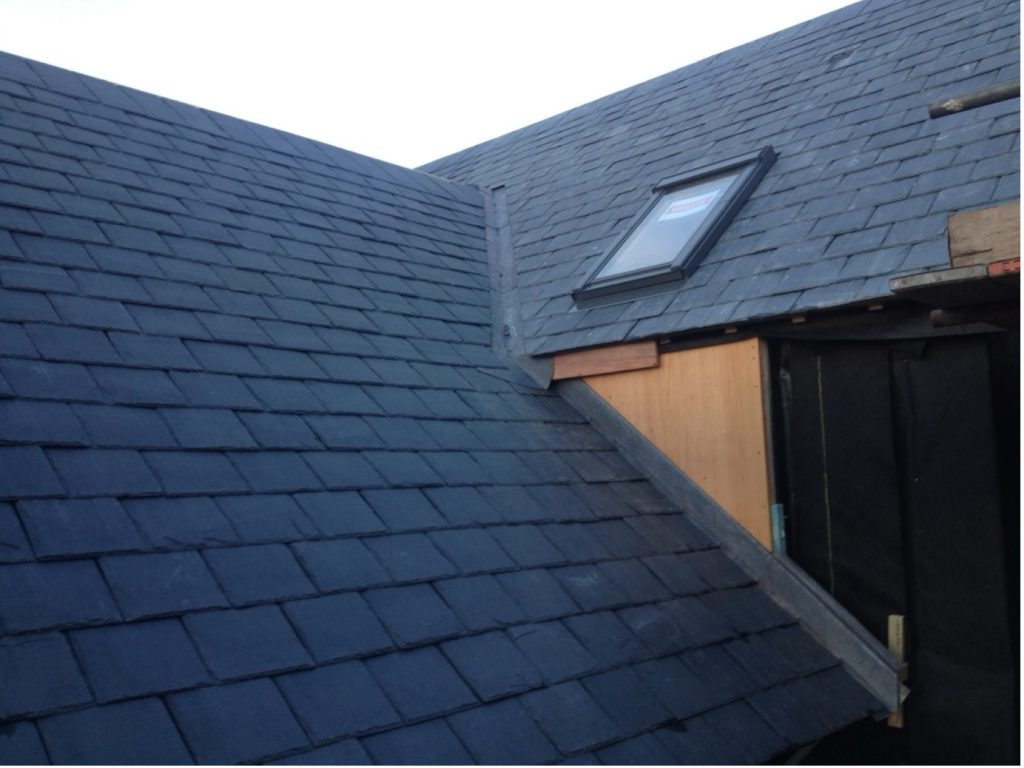
At UK Slate, we supply an extensive range of Spanish and Welsh natural roofing slates and other slate roof tiles, carefully selected for performance, quality and consistency. We are one of the few official stockists of Welsh slate in the UK, giving us preferential terms and product availability. Whether you’re working on a small domestic roof or a large conservation project, we’re here to help you find the right product.
If you’re still unsure about your options, make sure to contact us. Our slate specialists are ready to help. We help you identify the pros and cons based on your location, project type, and budget so you can be confident that you’re making the right choice.
Are you looking to re-roof your home or working on a new build project? Knowing how many slates you need is one of the first and most important steps. Getting it right means less waste, fewer delays and a more accurate budget. If you get it wrong, you could face material shortages mid-project or overspend on surplus stock.
In this blog, we will explain how to calculate the number of roofing slates required based on your roof type, project size, roof pitch, and allowances for waste. Whether you’re a homeowner planning your first roofing project or an experienced tradesperson looking for a refresher, this guide will help you become more confident and make informed choices.
The number of slates you’ll need isn’t a fixed figure; it depends on several factors. Let's break them down so it is easier to understand.
The size of slate you choose affects how many are needed per square metre. Larger slates cover more area, so fewer are required. In comparison, smaller slates offer more detail but require a greater number to be used.
For example, 600mm x 300mm slates typically require approximately 13 slates per m², and 500mm x 250mm slates require closer to 20 per m².
Roof pitch plays a crucial role in determining the correct headlap, which is the amount by which each slate overlaps the one below. A steeper pitch typically requires less headlap, while shallower roofs need more to prevent water ingress.
Things to consider:
Knowing your roof pitch helps you choose the correct headlap, which in turn determines the number of slates you need.
The headlap is crucial for water tightness. It also impacts how much of each slate is exposed. Once installed, it alters the number of slates needed per square metre. For example, if two roofers are using the same size slate but different headlap sizes, one uses a 75mm headlap, and the other uses a 100mm headlap, the roofer using the larger headlap will need more slates to cover the same area.
If you’re unsure how to calculate your headlap, our team is available to assist you and provide advice and recommendations. Alternatively, you can download a slate sizing and coverage guide for a quick reference.
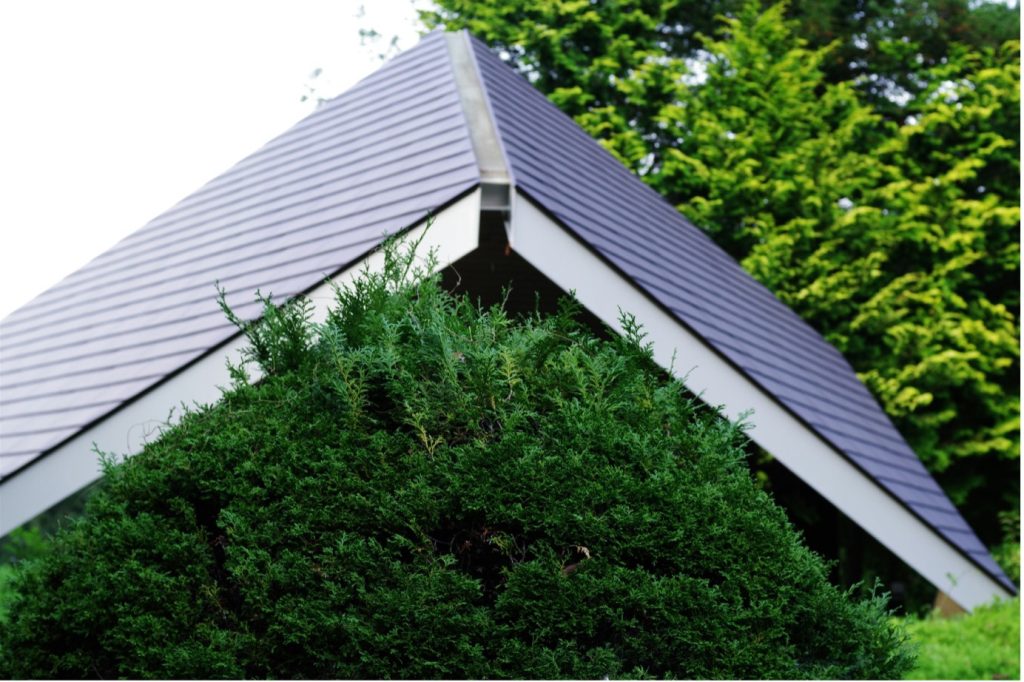
Once you’ve chosen your roof slate size and confirmed your roof pitch and headlap, you can then start calculating how many slates you’ll need. Here is the method:
So, for example, if your roof is 100 m² and your chosen slate requires 20 per m², you’ll need 2,000 slates.
It’s important to order slightly more slates than the exact number needed. You might be wondering why. Well, during installation, some slates may be lost due to cuts, breakages, and offcuts around roof features like valleys and chimneys.
We recommend around 5% extra on straightforward roofs and 10% extra for more complex designs. This ensures that you won’t be caught short during installation, especially if your slate is a natural product with colour variation, as matching batches later can be challenging.
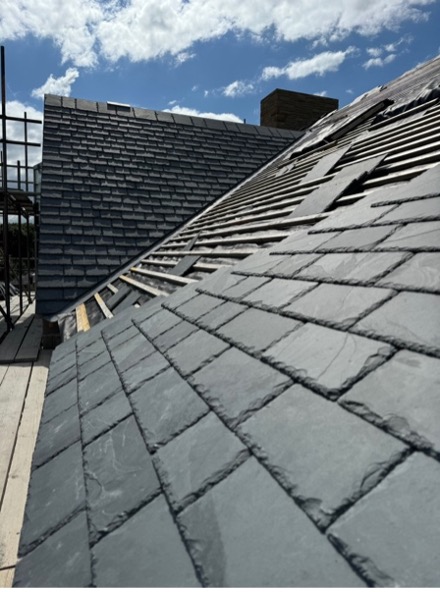
Slates are the main roofing material, a complete slate roof also includes:
These materials also impact how the slates are laid out, so it’s important to factor them into your planning. Our team are here to advise you on what’s needed for a complete and compliant installation.
If you’re unsure where to start or confused about how much slate you need, as the calculation is too difficult, don’t worry, you’re not alone.
At UK Slate, we’ve supported many roofing projects, and we’re always happy to advise on the right slate for your project, quantities, fixings and more.

Natural slate is one of the most durable and aesthetically pleasing roofing materials available on the market, and at UK Slate, we supply only the highest-quality slates from trusted quarries across the UK and Europe. Whether you’re looking for Welsh slate, Spanish Slate, or any other type of slate, we offer a wide range of options to suit every project and budget.
If you need further help with your roofing project, we’re here to help. Contact us today to discuss your project and receive advice on the number of slates you’ll need. If you’re confident in your calculations, then browse our full range of roofing slate and order online today.
Natural stone adds a natural style and sophisticated aesthetic to any home. However, as we approach the colder months, we here at UK Slate know that it can feel impossible to keep warm. Stone has a natural habit of being a bit chilly in winter due to its high thermal conductivity. However, this is something that can be used to your advantage with some smart thinking.
So, what is the best way to warm up the slate throughout your home to enjoy it year-round?
Underfloor heating is one of the most cost-effective heating solutions on the market today. Depending on the size of your home and your energy use, which fluctuates throughout the year, you could save as much as 50% of your heating bill—a staggering saving even when compared to the initial costs to install.
Slate naturally transfers heat effectively and efficiently. This means that your floors will stay warm throughout winter, gently heating the rest of your home. Heat rises, so having the source of your heat on the ground floor will increase its effectiveness.
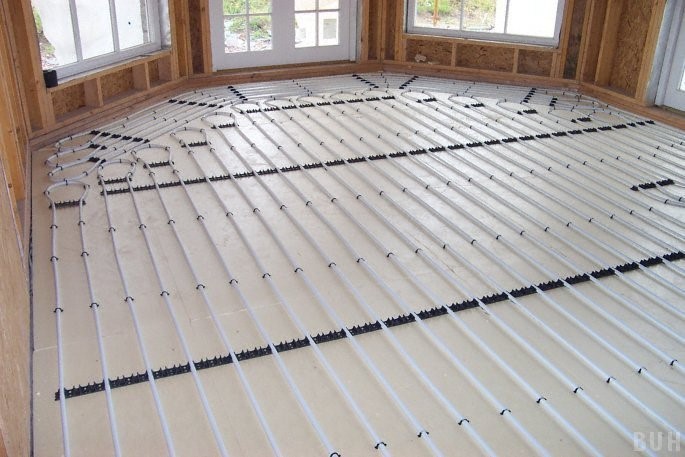
The kitchen serves as the heart of the home, especially during the colder season, where stews and hearty meals are being cooked. While a rug might not be the most practical or sensible option for keeping your feet warm on cold floors, it is essential to consider the flooring choice during renovation projects.
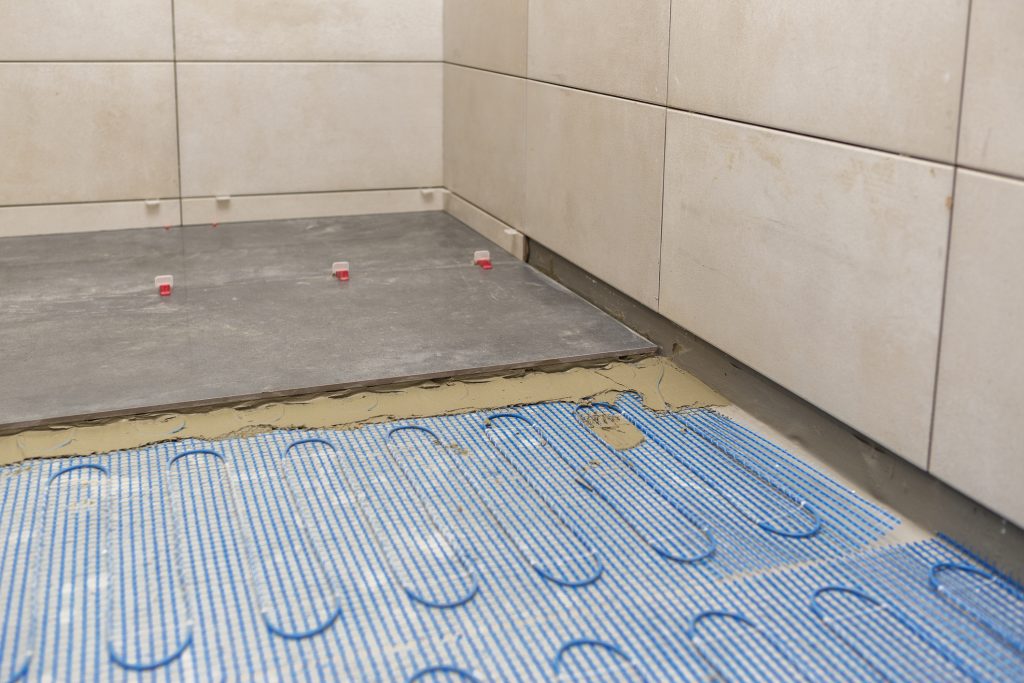
For spaces with stone flooring, pre-planning is crucial to ensure comfort and aesthetic appeal. Additionally, certain areas, such as bathrooms, may not be well-suited for rugs, highlighting the importance of selecting appropriate materials for each space during your design process.
If you’re seeking slate suitable for underfloor heating, consider Elterdale Grey-Green Riven or Ravendale Graphite Riven. Both have a natural riven surface that offers excellent anti-slip features, making them ideal for kitchens or entryways. Elterdale features a warm earthy tone that complements various decor styles, while Ravendale boasts a sleek, modern dark finish.
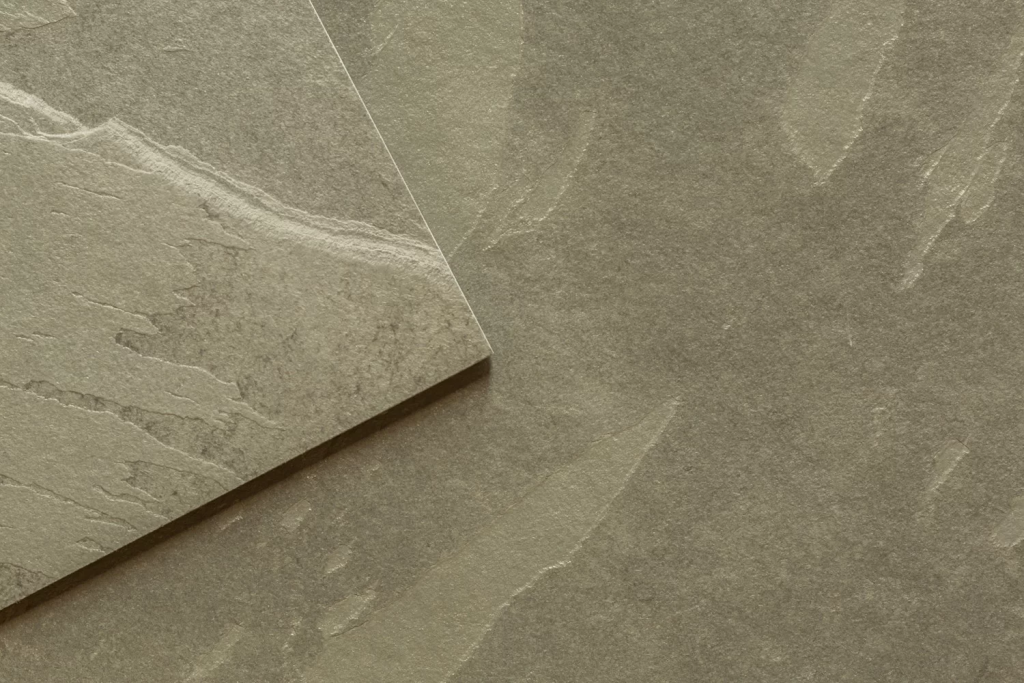
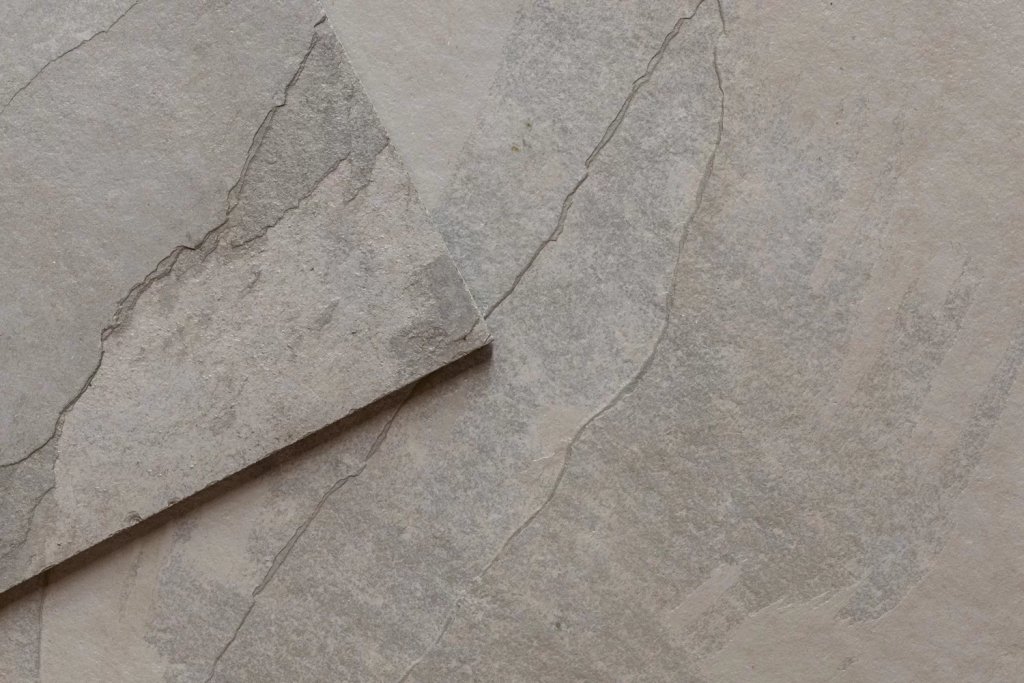
Remember to seal your slate before use to prevent stains and simplify cleaning. Both options provide comfort, style, and safety for your space.
When comparing the effectiveness of underfloor heating to traditional heating methods in colder climates, it's important to consider the way each system distributes heat. Underfloor heating provides a more even heat distribution across the floor surface, which can result in a more comfortable environment overall.
In contrast, traditional heating methods, like radiators, may create hot spots and cold areas in a room. Underfloor heating utilises the thermal properties of stone to maintain a consistent temperature, which can be particularly beneficial in areas with natural materials like slate.
In rooms such as your living room, underfloor heating is not always necessary. A living room is often the home of a fireplace, which can provide a perfectly natural way to heat your slate flooring during winter. Additionally, UK Slate specialises in bespoke slate hearths, allowing you to customise the look and functionality of your space while complementing the warmth from your fireplace.
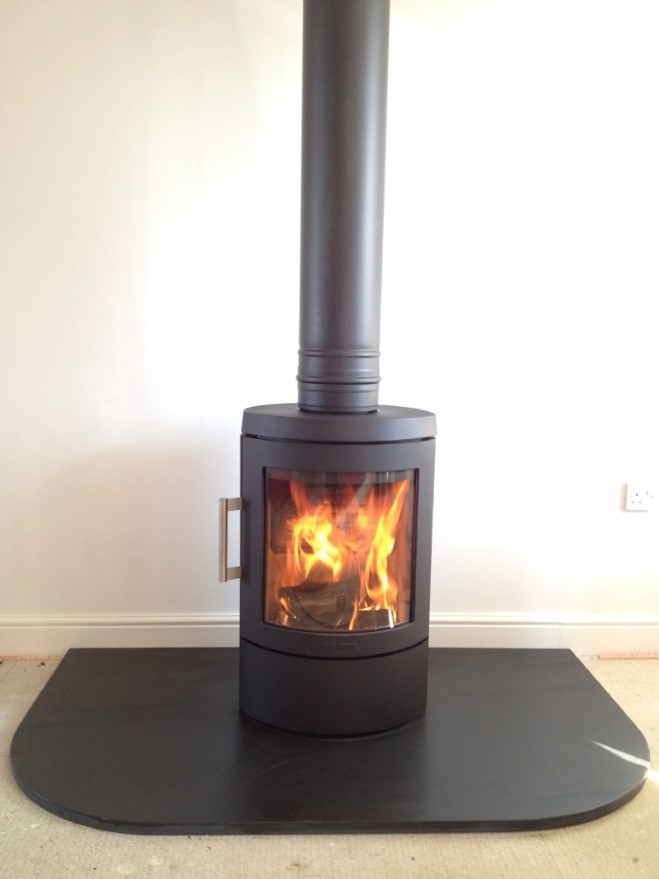
The warmth from the fire will transfer to the slate flooring, creating a cosy atmosphere. It will not concentrate in one area as you may fear, as the heat will spread through the conducting nature of natural stone. This means you will have a toasty floor whenever you light the fire, lasting for hours – which is bound to happen almost daily during the winter months.
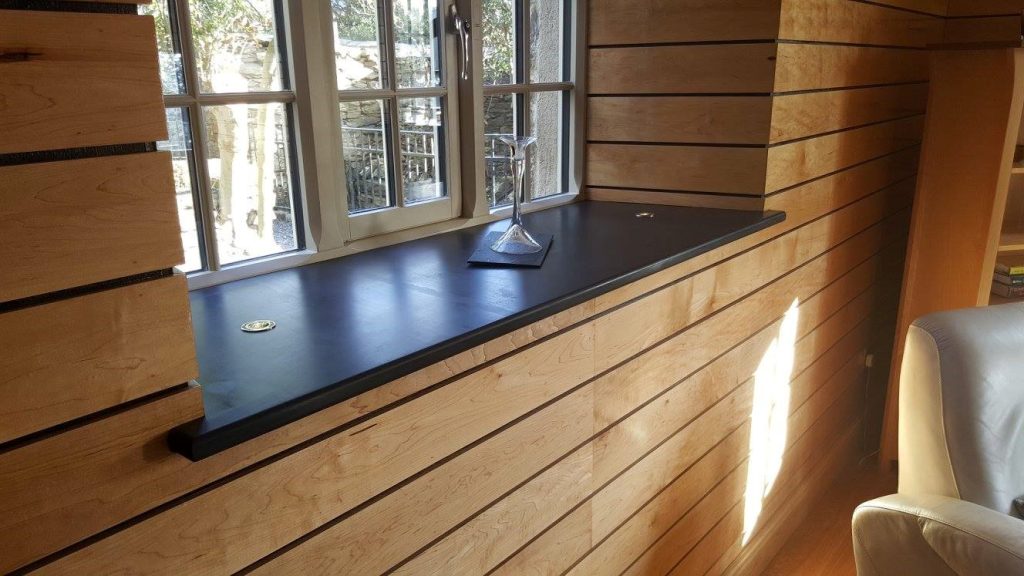
The most obvious free source of heat energy (although debatable at times in the UK!) is, of course, the sun. Internal slate window sills can be a great way to draw this warmth into a room on sunny days. As with slate flooring, these will hold their heat for hours after the sun has set, providing a warm bench to sit on and warm up on cold, frosty days.
Combining slate flooring with other heating elements can work quite effectively. For example, radiators can be used alongside underfloor heating, allowing for a multi-layered heating approach. This can be especially useful during extremely cold spells when additional heating may be necessary. It's important to ensure that the heating systems are compatible and that the slate can handle varying temperatures without causing damage.
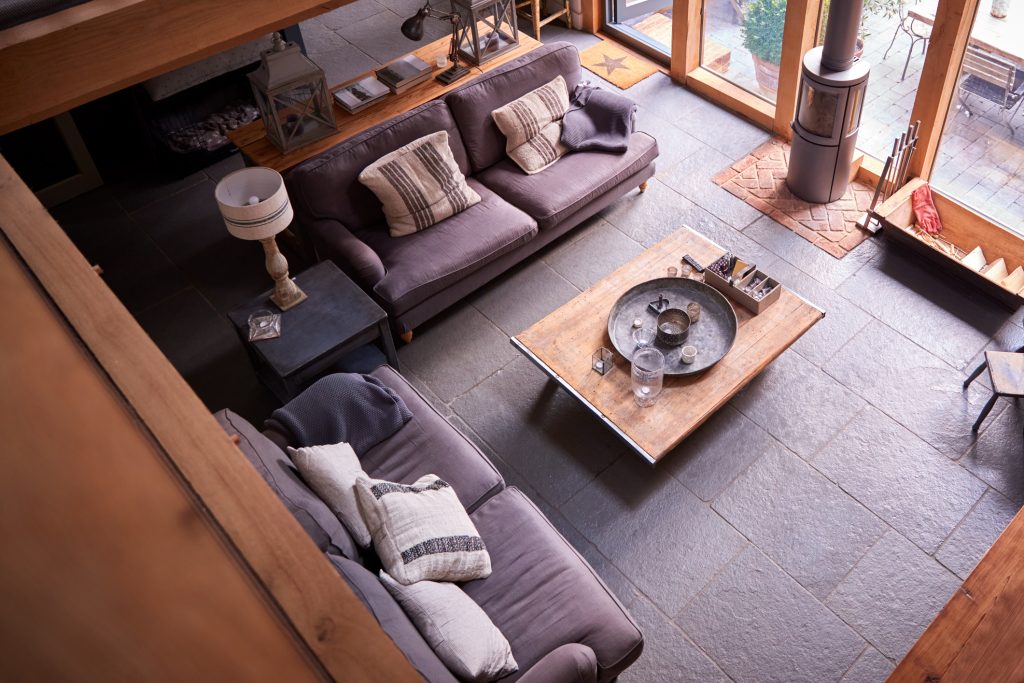
Additionally, using a fireplace in conjunction with underfloor heating can enhance the overall warmth in the living space, as the radiant heat from the fire can elevate the temperature of the slate flooring, amplifying the comfort provided by the underfloor system.
Ultimately, using slate and other natural stones does not mean you will have cold toes this winter. By planning ahead and considering the heating options, you can enjoy your natural flooring all year round, feeling prepared for the colder months.
If you would like more information about our bespoke slate products and how they can improve the aesthetic of your home or business, you can contact us at any time or call us on 015395 59289 to speak with our friendly team. To keep up to date with all of our latest news and updates, you can also follow us on Facebook, X and LinkedIn.
This interactive tool considers key specifications such as shape, material, dimensions, and finishing details to generate a personalised quote tailored to your needs. We offer a wide range of shape options, from classic rectangular designs to sleek, modern curves, all crafted from luxurious, high-grade slate.
This interactive tool considers key specifications such as shape, material, dimensions, and finishing details to generate a personalised quote tailored to your needs. We offer a wide range of shape options, from classic rectangular designs to sleek, modern curves, all crafted from luxurious, high-grade slate.